Creating Serene Landscapes: An Artist's Perspective

Updated: Aug 18
Creating serene landscapes is not just about putting paint on canvas; it is an exploration of emotions, nature, and the connection between the two. As an artist, I have spent years honing my skills and understanding the nuances of landscape painting. In this post, I will share my insights and techniques for capturing the tranquility of nature, while also providing practical tips for aspiring artists.

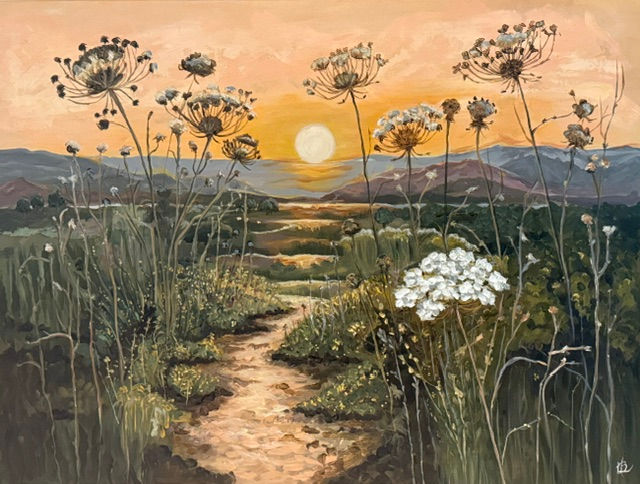
"When Daylight Disappears"
Understanding the Essence of Serene Landscapes
What Makes a Landscape Serene?
A serene landscape evokes feelings of peace and calmness. It often features elements such as:
Soft colors: Pastel shades or muted tones can create a soothing atmosphere.
Gentle lines: Curved shapes and soft edges contribute to a sense of tranquility.
Natural elements: Water, trees, and open skies often play a significant role in creating a peaceful scene.
The Role of Light
Light is a crucial element in landscape painting. The way light interacts with the environment can dramatically change the mood of a piece. For instance:
Golden hour: The soft, warm light during sunrise or sunset can enhance the beauty of a landscape.
Overcast days: These can create a more subdued, tranquil atmosphere, perfect for capturing serene scenes.
Tools and Materials for Landscape Painting
Essential Supplies
To create stunning landscapes, you need the right tools. Here are some essentials:
Paints: Acrylics, oils, or watercolors can all be used, depending on your preference.
Brushes: A variety of brushes, including flat, round, and fan brushes, will help you achieve different textures.
Canvas or paper: Choose a surface that suits your medium and style.
Additional Tools
Palette knives: Great for mixing colors and creating texture.
Easel: A sturdy easel will provide a comfortable working height.
Sketchbook: Use it for preliminary sketches and ideas.
Techniques for Capturing Serenity
Composition
The composition of your landscape is vital in conveying serenity. Consider the following tips:
Rule of thirds: Place focal points along the lines or intersections of a grid to create balance.
Leading lines: Use paths, rivers, or tree lines to guide the viewer's eye through the painting.
Color Palette
Choosing the right colors can significantly impact the mood of your landscape. Here are some suggestions:
Cool colors: Blues and greens can evoke calmness and tranquility.
Warm colors: Soft yellows and pinks can create a sense of warmth and comfort.
Brush Techniques
Experiment with different brush techniques to add depth and texture to your landscapes:
Dry brushing: This technique creates a soft, textured effect, perfect for depicting grass or foliage.
Glazing: Layering transparent colors can add richness and depth to your painting.
Finding Inspiration in Nature
Exploring Your Surroundings
Nature is the ultimate source of inspiration for landscape artists. Here are some ways to find inspiration:
Take walks: Spend time outdoors, observing the changing light and colors.
Visit parks: Explore local parks or nature reserves to discover new landscapes.
Photograph scenes: Capture images of serene landscapes to reference later in your studio.
Studying Other Artists
Learning from other artists can provide valuable insights. Consider:
Visiting galleries: Observe how different artists approach landscape painting.
Reading books: Explore the works of renowned landscape artists for inspiration and techniques.
Creating Your Own Serene Landscape
Step-by-Step Process
Choose a scene: Select a landscape that resonates with you.
Sketch the composition: Create a rough sketch to plan your layout.
Select your colors: Choose a color palette that reflects the mood you want to convey.
Begin painting: Start with the background and gradually work towards the foreground.
Add details: Incorporate finer details to enhance the overall composition.
Embracing Mistakes
As an artist, it is essential to embrace mistakes. They can lead to unexpected discoveries and unique outcomes. If something doesn’t go as planned, step back and assess how you can adapt your approach.
The Emotional Connection to Landscape Painting
Personal Reflection
Creating serene landscapes is not just about technique; it is also a deeply personal journey. Each painting reflects my emotions and experiences. When I paint, I often find myself lost in thought, reflecting on the beauty of nature and the peace it brings.
Sharing Your Work
Once you have completed a landscape, consider sharing it with others. This can foster connections and inspire fellow artists. You can:
Join local art groups: Participate in exhibitions or workshops to showcase your work.
Create an online portfolio: Share your art on social media or personal websites to reach a broader audience.
Conclusion
Creating serene landscapes is a fulfilling artistic endeavor that allows you to express your emotions and connect with nature. By understanding the elements that contribute to tranquility, mastering essential techniques, and finding inspiration in your surroundings, you can create breathtaking landscapes that resonate with viewers. Remember, every artist's journey is unique, so embrace your style and let your creativity flow.
As you embark on your landscape painting journey, take a moment to appreciate the beauty around you. Whether you are a seasoned artist or just starting, the world of serene landscapes awaits your interpretation. Happy painting!

Comments